
Kumara Thaqui
It comes from the Aymara language, and a literal translation could be “the healthy path.” However, the Aymara language does not merely name concepts directly; it also embodies a deeper vision of life and of being.
From this perspective, Kumara Thaqui does not merely describe a state of health, but a process. “Kumara” refers to what is healthy, vital, and in balance; while “Thaqui” is not merely a physical path, but the act of journeying, of moving forward step by step.
Therefore, a deeper interpretation could be “walking toward health” or “the path to healing.” It is not just about becoming healthy, but about the conscious process of walking a path toward well-being, where every step is part of the healing process.
Thus, Kumara Thaqui can be understood as an invitation to view healthy living as an ongoing journey, a dynamic process in which the body, mind, and spirit gradually come into harmony through the act of walking.
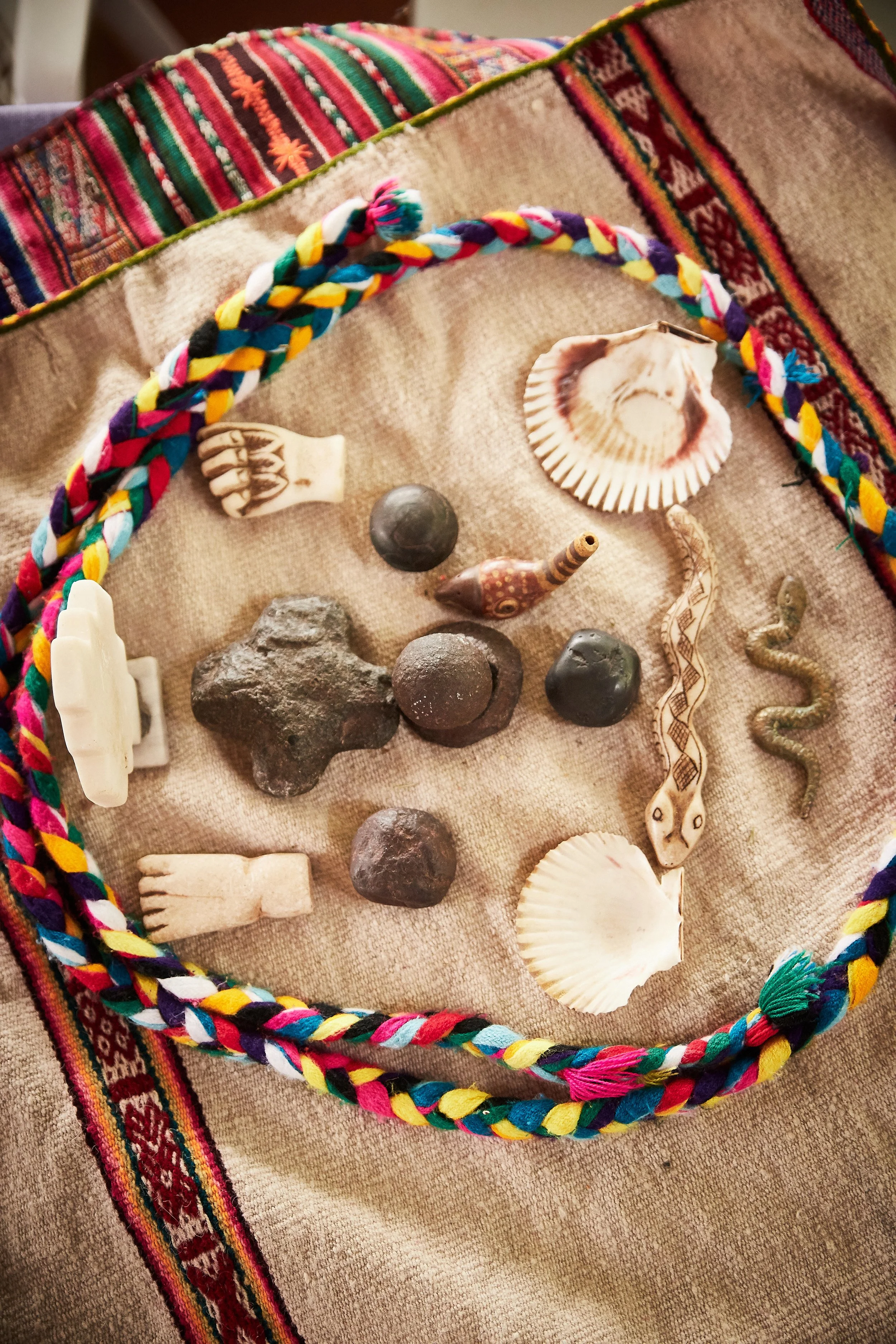
No one heals anyone else; we simply accompany each other through the process, hold the space, and walk alongside one another. And yes… when the person offering support has worked on themselves and continues to do so… the other person’s path may become clearer, less confusing, perhaps less burdensome. But even so, no one heals anyone else. Healing doesn’t come from the healer; it comes from the person when they decide to stop running away from themselves. Because you can go to all the circles, take all the medicines, hear all the right words, and still be the same. If you aren’t looking at yourself—and that’s where everything gets confused—when you believe that someone else has the power to do the work that’s up to you.
Over the years, we have come a long way and met many valuable people who give meaning to “Kumara Taqui”; from wherever they are, they uphold this space and accompany us on the path of becoming healing men and women, transforming into “Chakarunas”—a term meaning “bridge person” (chaka = bridge, runa = person/people). This represents mediators who connect different worlds, cultures, generations, or realities, especially between the ancestral Andean world and contemporary society.
Here are our Chakarunas:
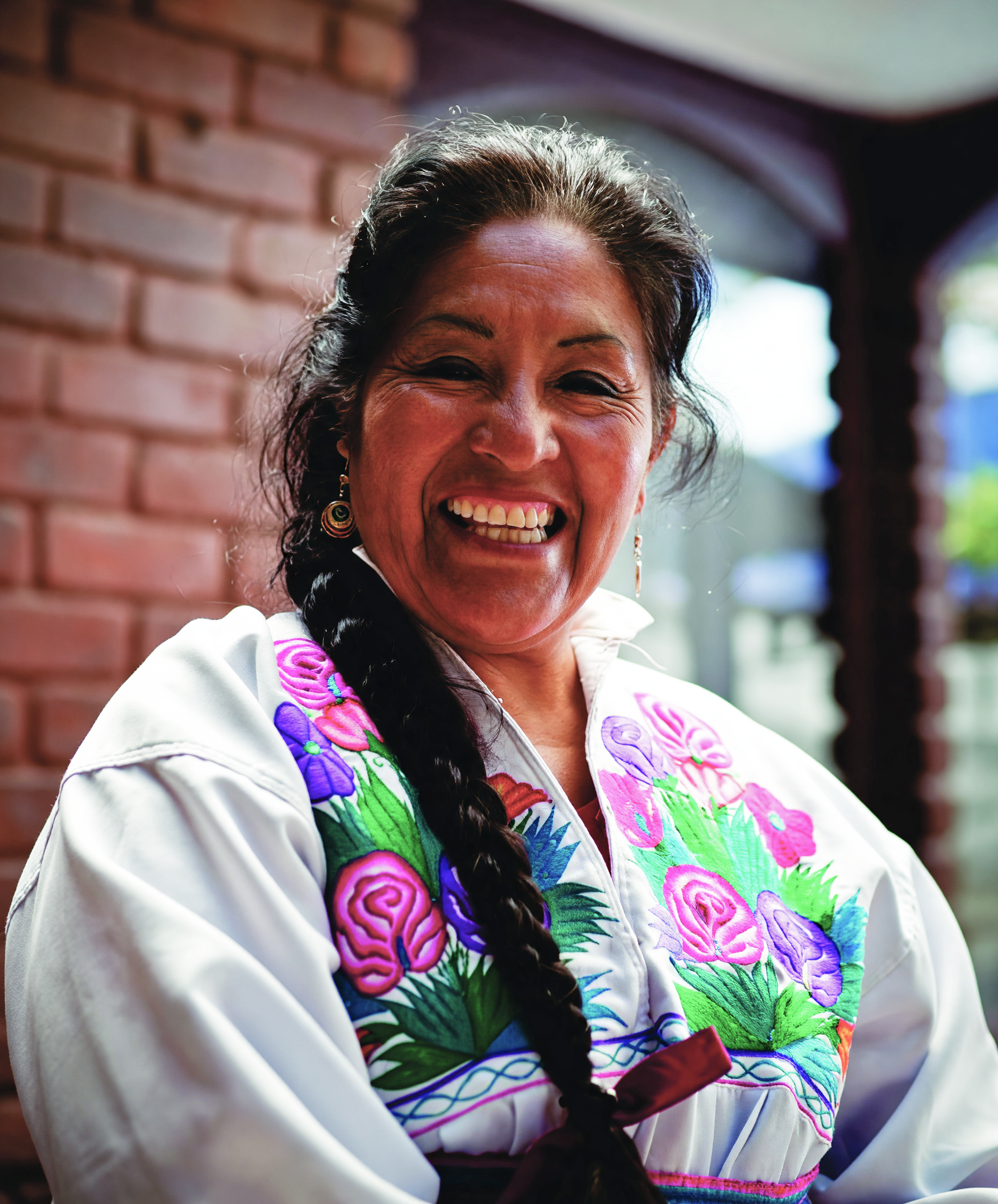
Silvia Calisaya
Silvia Calisaya is a renowned traditional Aymara healer and a direct heir to the wisdom of the pre-Inca peoples who safeguard the sacred region of Lake Titicaca. Her life is a testament to resilience and cultural preservation, dedicated to keeping alive the threads of a tradition that beats strongly in the Peruvian highlands.
As a coca leaf master, she has mastered the ancient art of reading and consulting this sacred plant, using it as a tool for spiritual mediation in divination and the restoration of vital balance (healing). Her commitment to historical memory led her to found the Museum of Coca and Customs in Puno, a space dedicated to demystifying and honoring this sacred plant, as well as the “Kumara Thaqui” Association, through which she promotes holistic well-being under the philosophy of the “healthy path.”
Silvia does more than simply impart knowledge; she serves as a bridge between eras. Through her teachings, she shares the Aymara tradition, its rituals of harmonization, and the living history of a nation that continues to communicate with the earth and the stars. Her work is an invitation to reconnect with our essence through respect for the memory of our ancestors.
Permanent location: When she's not on tour, you can contact her at her Museum of Coca and Customs in Puno, Peru (581 Ilave Street), or you can contact us to speak with her.
Founder
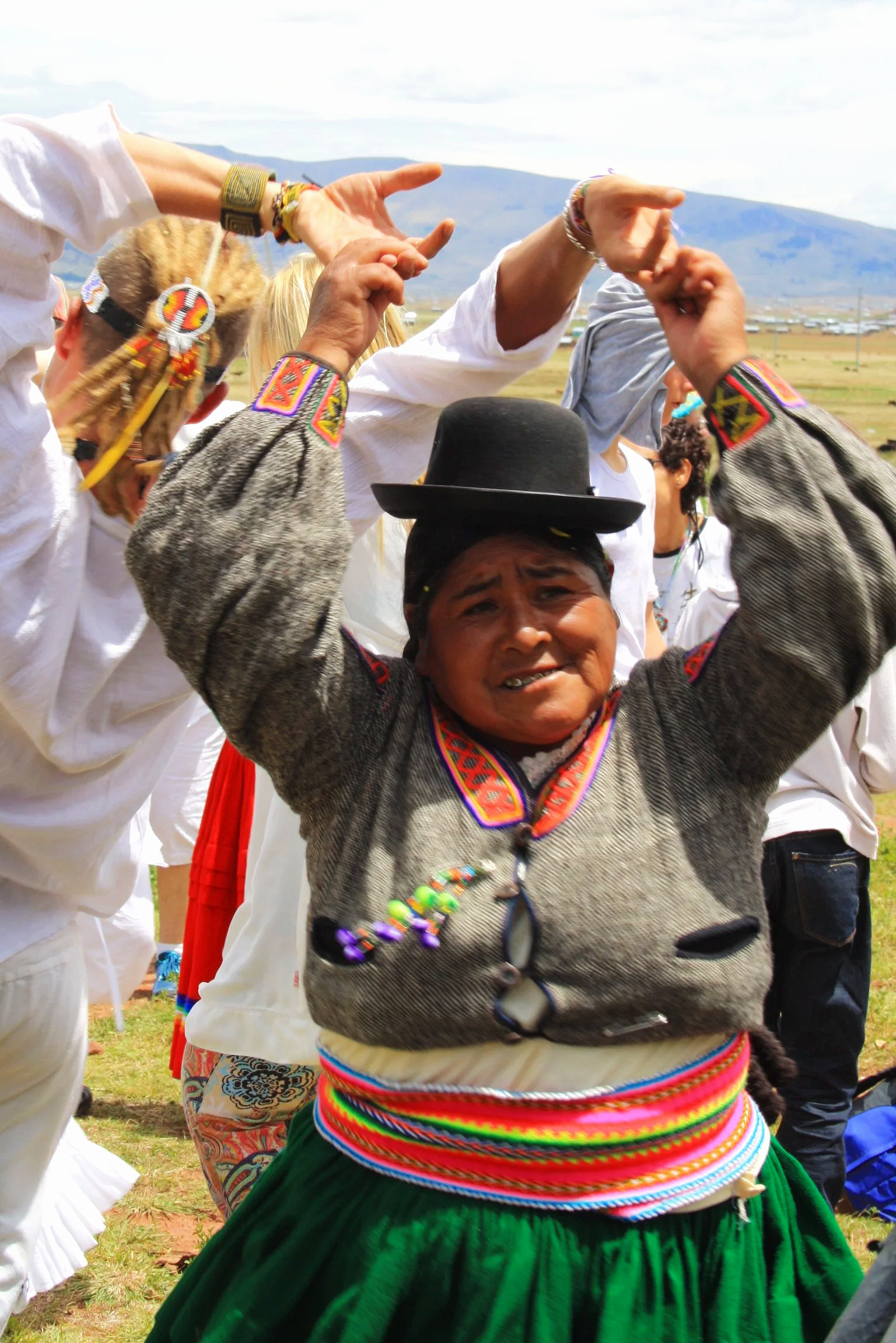
Juanita Cutipa Flores
Healer Grandmother - Qolliri Aymara
A Qolliri is a traditional healer in Aymara culture, specializing in the use of native herbs and ancestral knowledge to treat physical and spiritual ailments. Unlike Western medicine, her approach is holistic, integrating physical healing with rituals, offerings to the earth (pawa), and the reading of coca leaves.
Juanita focuses primarily on using medicinal herbs and animals to heal physical or spiritual ailments; she also performs ceremonies and makes offerings to Pachamama. For her, illness is often a symptom of an imbalance between the individual and nature or the local deities. For this reason, treatment often includes ceremonies or Andean ritual tables to restore harmony with the cosmos.
Juanita has been working alongside Silvia Calisaya for over 20 years.
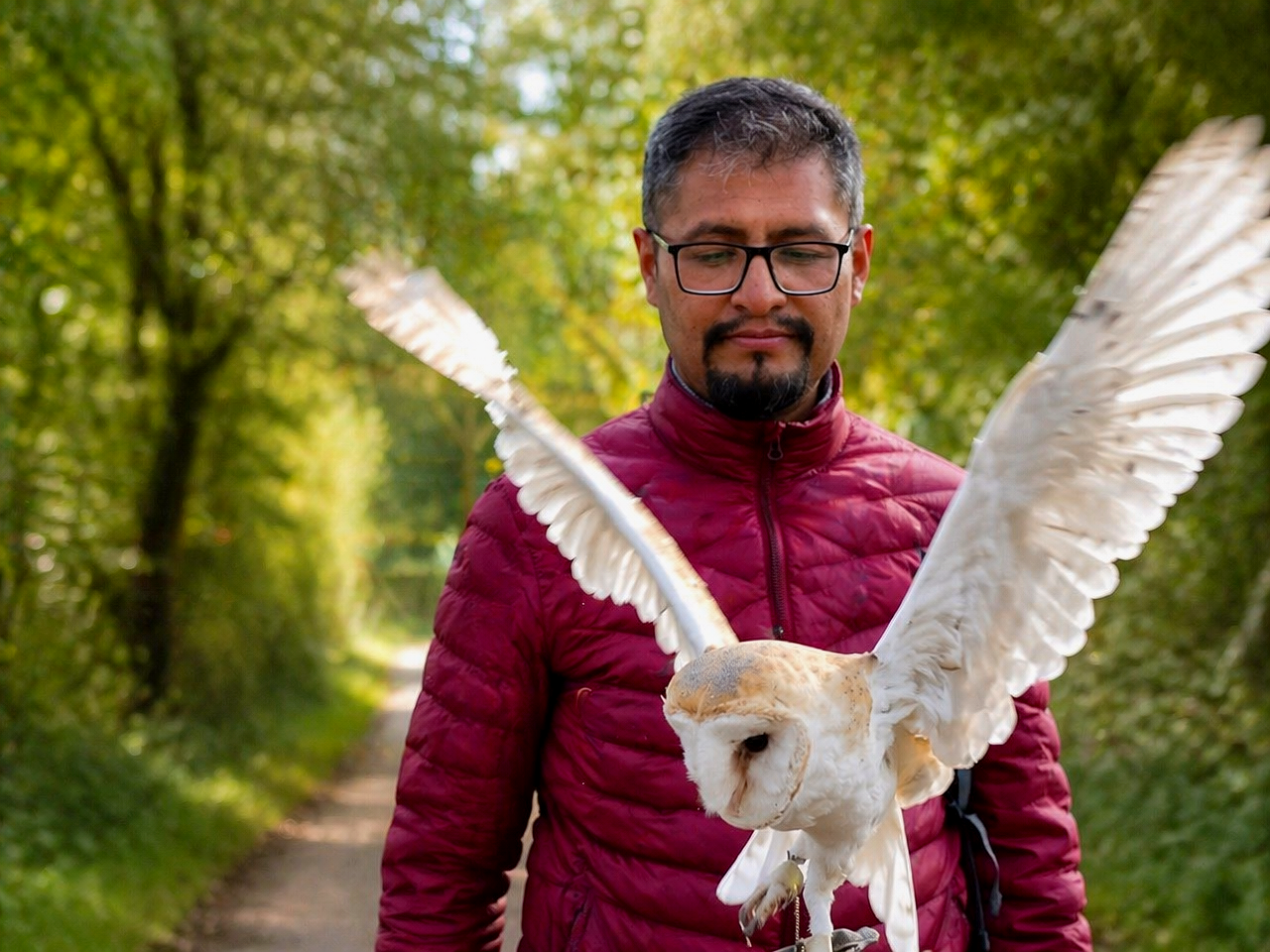
Jack Bustinza
Co-Founder
Born on the sacred shores of Lake Titicaca in Puno, his journey serves as a bridge between ancestral heritage and contemporary professional training. As the son of the renowned spiritual guide Silvia Calisaya, his initiation into the Andean worldview began in childhood, as he accompanied his mother on pilgrimages and journeys that shaped his understanding of the spiritual world. Today, he continues this ongoing learning, honoring his family lineage and the wisdom of his roots.
Professionally, he is a journalist with a degree from the National University of the Altiplano, which he supplemented with specialized studies in tourism at the university. This combination of disciplines allows him to convey the richness of his culture with both accuracy and sensitivity.
He currently plays a key role in preserving Andean identity as co-founder and director of the Museum of Coca and Customs in Puno. He also leads the management of the “Kumara Thaqui” Association in Peru, where he applies his administrative vision to promote community well-being. His work extends to facilitating transformative experiences, serving as the logistical and organizational backbone of the spiritual retreats he leads alongside Silvia Calisaya, ensuring that every seeker finds a harmonious environment to walk their own “path of healing.”
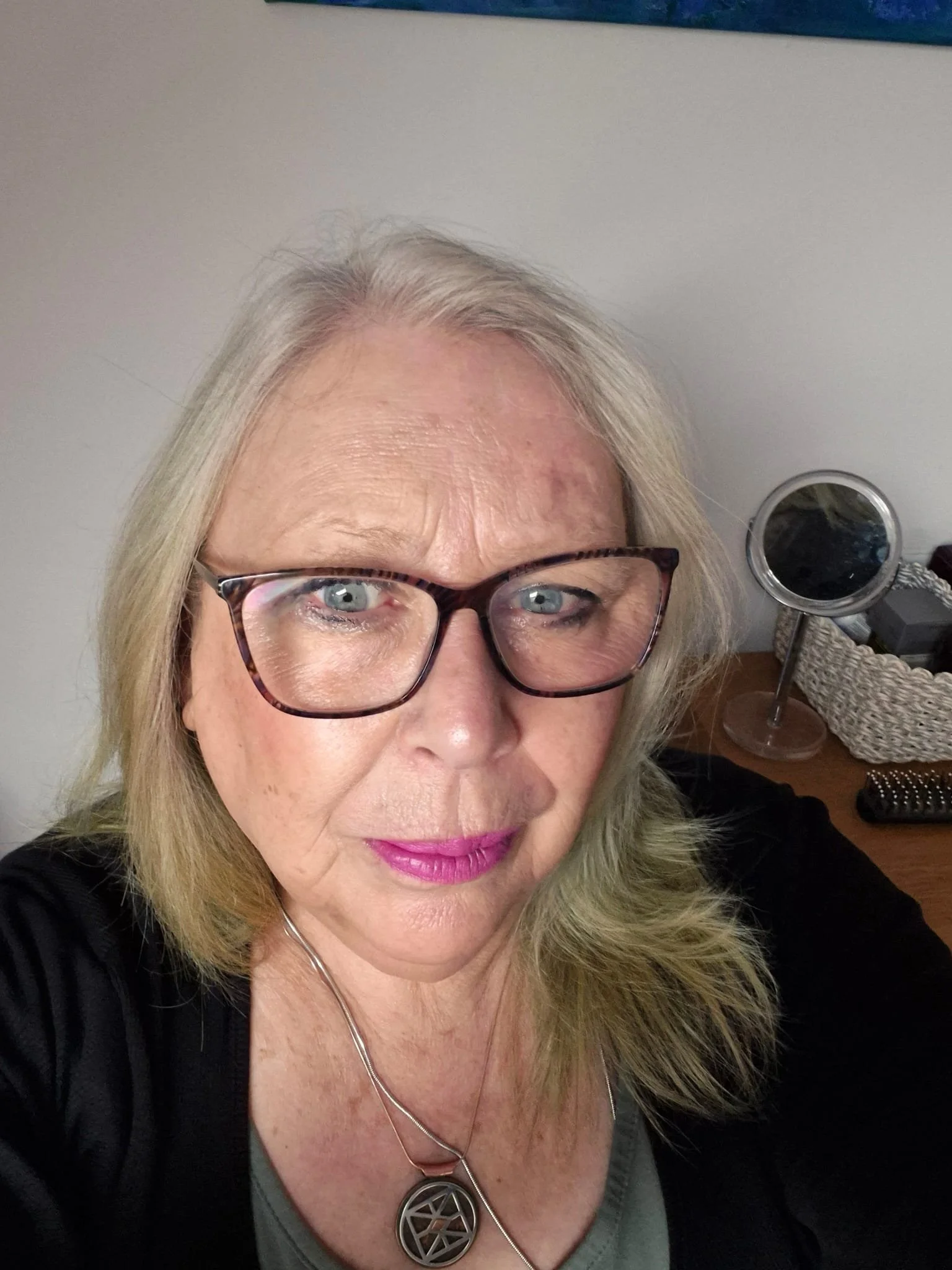
Lyanla Bivinet Ashi - Ireland
Master at the Ayni School of Mystical Andean Shamanism
I am Iyanla Bivinet Ashi Au Bari—a Shamanic Healing Master, Keeper of the Ancient Codes, and one of the Original Iyami (Euame Esuake) Mothers who came to Earth millennia ago.
Trained in the Inca/Q’ero/Aymara healing traditions of the Andes and initiated as a Chacaruna, I carry on the direct lineage of the medicine men and women of the mountains. I received my Karpay rites from Doña María and Don Sebastián, and I initially trained with Dr. Alberto Villoldo of The Four Winds Society. Finally, I have completed training with Silvia Calisaya Chuquimia.
I am a co-founder of the Ayni School of Mystical Andean Shamanism and the School of Mysteries "The Path of Purity and Truth" in Euame, where I offer initiations into Munay-Ki and traditional Andean Karpay.
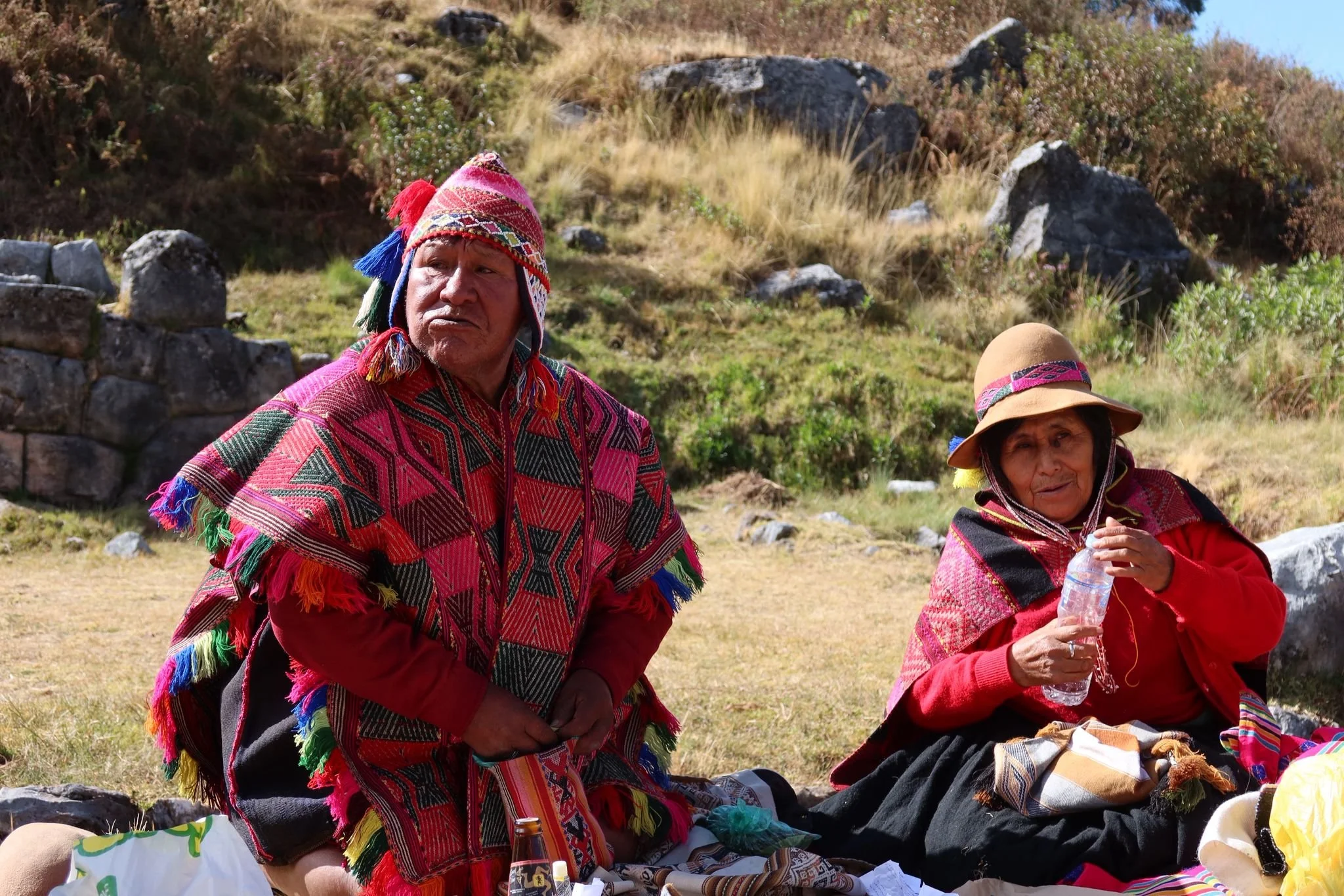
Pedro Cruz
Master Qero - Pampa mesayoq
Pedro and his wife Margarita specialize in the Chumpis stone healing technique, using the Chumpis Table. They also assist in the cleansing of “Juchas” (guilt) with the help of the healing power of plants, sacred animals, and sacred spirits such as the Sun and the Moon, among others.
Another special term for Quechua healing masters is "Paqo," which means "Master of Pachamama," of the Apus (sacred mountains), and of other sacred spirits of nature. A Paqo honors and interacts with the spirits with whom the Incas and their ancestors communicated before the Inca era to maintain the Cosmic Order. Being a Paqo master means helping the community through a natural philosophy of life based on the wisdom of the heart.
Pedro and his wife Margarita have been supporting Silvia for nearly 15 years; whenever Silvia and the retired brothers visit the Sacred Valley, they help with past-life healing and the cleansing of “Juchas” or guilt.
Margarita Quispe
Grandma Qero - Curandera Quechua
Margarita assists her husband Pedro and also specializes in the Chumpis stone healing technique, using the Chumpis Table. She also helps cleanse “Juchas” (guilt) with the healing power of plants, sacred animals, and sacred spirits such as the Sun and the Moon, among others.
Margarita uses herbs and rituals to alleviate physical and spiritual ailments, drawing on wisdom passed down through generations. She acts as an intermediary between the community and "Pachamama" (Mother Earth), healing not only human beings but the cosmos as a whole.
Margarita and her husband Pedro have been supporting Silvia for nearly 15 years; whenever Silvia and the retired brothers visit the Sacred Valley, they help with past-life healing and the cleansing of “Juchas” or guilt.
Contact
Please email us for inquiries about Silvia's trips or Peru retreat services.
With
Ayni And Munay
Silvia